Misconception 3 – No One Will Buy Chinese Whisky – Scotch is the Best in the World!

Let’s start with the question: How is quality defined? It’s fair to say that cost to purchase (and inferred cost of production) is at least one of the major influences when we define the quality of something. So, let’s take a moment to look at Scotch – undoubtedly considered to be the world standard for whisky.
There’s an interesting article over on Oak and Barley which took a tiny look at Scotch using the annual statistics published by the Scotch Whisky Association and a calculator. When you divide the value of exports by the number of bottles produced, you end up with an average value of £3.26 a bottle. That works out to ¥27.35 – less than a coffee at Starbucks!
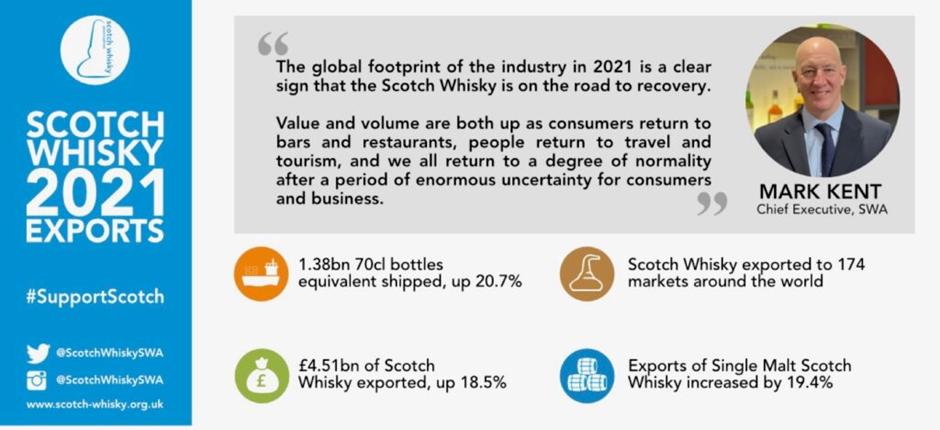
Remember, that number includes all the high end single malts within that average – some of which sell for hundreds and even thousands of pounds per bottle. Oh, and it includes profits for the distillery too. Add in the cost of glass, closures, labels, packaging and all the other non-liquid costs and it does make one wonder where the quality aspect kicks in. You can read all about it on the Scotch Whisky Association website and see for yourself.
Scotland Has the Best Water for Making Whisky!
Yes, it’s something lauded about by marketing experts – it’s all about the water. Apparently Scottish water is one of the things that really defines Scotch whisky.
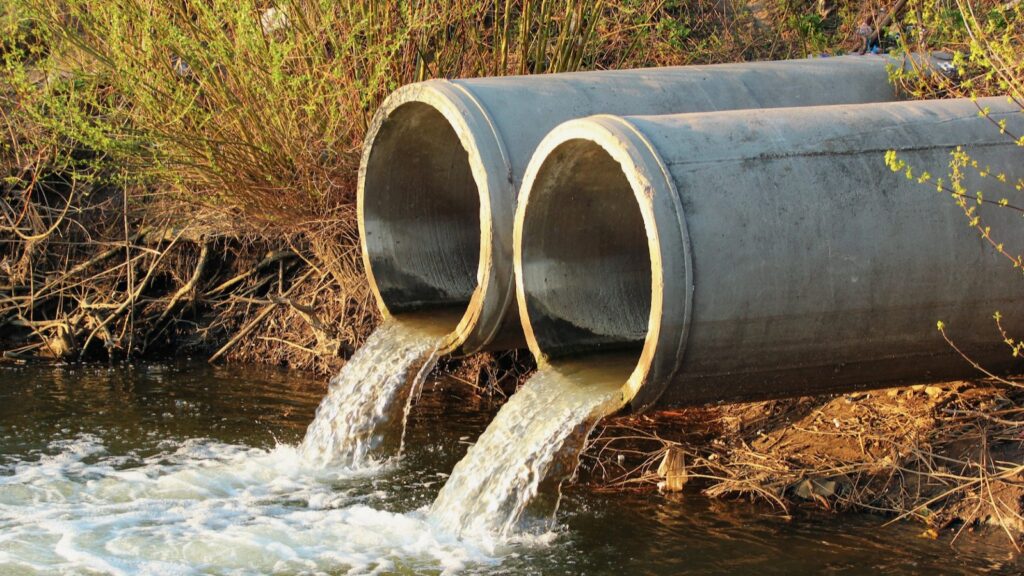
That is of course unless you read a little about what really goes on in Scotland. According to STV News ( a Scottish news service with more that 100 journalists across 5 cities, and a 60 year history of delivering news to Scotland) in an article published on 24th September 2022, there were more than 10’000 instances of human waste being dumped into Scotlands waters in 2021 alone. Where the numbers get really frightening is the fact that Scottish Water is required to monitor only 3% of sewerage release points, so the true figure is highly likely to be vastly worse.
It’s all about Speyside and the River Spey
Yes, Speyside is often revered as the flagship of Scotch whisky. So many amazing distilleries in such a small area, with a huge connection to the River Spey.
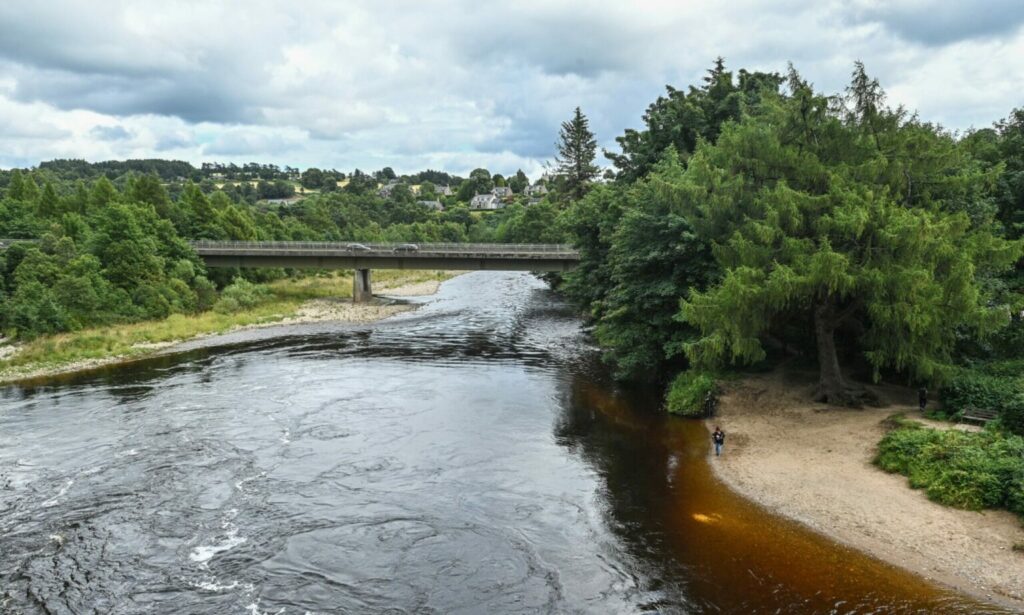
The bridge at Craigellachie is enjoying fame this year for being the site of raw sewage pouring into the river Spey back in July 2002. Even this near holy-river is not immune from “bad plumbing”.
Luckily for whisky lovers, science has proven that the high temperatures involved in mashing grains and distilling alcohol would kill bacteria and viruses. Just try not to think about what you read here, the next time you get a bit of an unusual finish on your dram of Scotch.
Summary and Conclusion – We Lose
We won’t be able to make bottles of whisky for an average price of £3.26 a bottle. It’s not a case of scale; it’s the simple fact that you get what you pay for. Sure, we can see how corners are cut in Scotland to make £3.26 a bottle possible, but that’s not a route we’re interested in taking. When it comes to ripping costs so close to the bone you can see the marrow, we hold our hands up and admit defeat. Scotch wins.
With our site being located in the centre of some beautiful mountains and our water being a mixture of springs and streams, we don’t have to deal with more than 10’000 annual discharges of human waste – so we hold our hands up in defeat at those high fibre additives. We just don’t have those blessings.
We’ll close by saying this – while the water we’ll use can’t compete with the “quality” in Scotland and the costs spent insuring the quality of our products never falter might mean a bit more at the register, our aim will be in making the best damn whisky the world has ever seen.

Would You Like To Read More?
If you enjoyed reading this, and you would like to catch up with some of our past articles, then please CLICK HERE and go to our News Section, where most of our other content is published.
Follow Us
If you have enjoyed reading this and want to learn more about Nine Rivers Distillery, then use the QR Code below to follow our WeChat Official Account. not in a million years

Alternatively, if you prefer Linked In then you can CLICK HERE to follow us.
Facebook users, you can CLICK HERE.